
Insurance Software for Policy Administration: Modernizing Operations
Selecting the right insurance software for policy administration is a critical decision for any carrier looking to improve operational efficiency. By automating complex workflows and centralizing customer data, these platforms empower teams to manage the entire policy lifecycle with greater precision. This article examines the core features, architectural considerations, and long-term benefits of modernizing your technology stack, providing a clear roadmap for stakeholders evaluating their next digital investment.
Understanding Core Policy Administration Functionality
At its heart, insurance software for policy administration serves as the system of record for every contract an insurer issues. It handles the entire journey of an insurance policy, from the initial quote and underwriting process to issuance, endorsements, and eventual renewal or cancellation. Without a specialized platform, these tasks often fall into fragmented spreadsheets or legacy databases that lack integration.
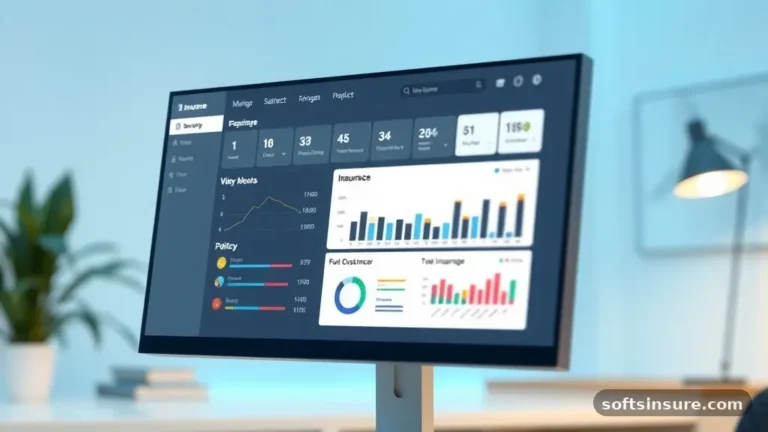
Modern systems consolidate these disparate functions into a single interface. When an underwriter adjusts a premium or adds a coverage rider, the software automatically triggers the necessary downstream updates. This ensures that the billing department, the claims team, and the customer portal all see the same current information.
The efficiency gains from this centralization are significant. By minimizing manual data entry, firms reduce the risk of human error in complex calculations. Furthermore, these systems provide a robust audit trail, which is essential for meeting the strict regulatory requirements governing the insurance industry.
Key Features to Evaluate
When you begin assessing available platforms, focus on how they handle product configuration. A flexible system allows business users to create and modify insurance products without needing to write custom code for every change. This capability, often called “no-code” or “low-code” configuration, is a major differentiator in the market.
Integration capabilities are equally vital. Your policy system must “talk” to other core modules, such as claims management and billing engines. Many modern providers offer robust APIs that connect easily with third-party tools, like credit scoring services or external risk assessment databases.
Consider the following essential features during your selection process:
- Automated Underwriting Rules: Pre-programmed logic that flags high-risk applications for human review.
- Real-time Document Generation: Instant creation of policy declarations, certificates of insurance, and renewal notices.
- Multi-channel Distribution Support: Native capabilities to push products to brokers, agents, and direct-to-consumer websites.
- Dynamic Rating Engines: Calculation tools that handle complex pricing algorithms based on historical loss data.
- Role-based Security: Granular access controls that ensure sensitive customer information remains visible only to authorized personnel.
The Role of Data in Policy Lifecycle Management
Data is the lifeblood of any modern insurance operation. Effective software for policy administration acts as a repository for high-quality, structured information that informs every other aspect of the business. When you have clean data, your actuaries can better price risk and your marketing teams can identify cross-selling opportunities more accurately.
The transition toward cloud-native platforms has changed how insurers store and access this information. Older, on-premise systems often created data silos, making it difficult to extract insights across the entire portfolio. Modern cloud solutions, conversely, facilitate real-time reporting and advanced analytics.
By leveraging a centralized data model, companies can track key performance indicators like loss ratios and policy retention rates with ease. This transparency helps leadership teams make informed decisions about which product lines to expand or scale back. Access to reliable data is ultimately what separates industry leaders from those struggling with administrative overhead.
Comparing Deployment Models: Cloud vs. On-Premise
Choosing between a cloud-hosted solution and a traditional on-premise installation is a fundamental architectural decision. Cloud-based platforms have become the industry standard for their scalability and reduced maintenance burden. They allow providers to push updates automatically, ensuring that your firm is always using the most secure and feature-rich version of the software.
On-premise systems offer a different set of trade-offs. Some larger organizations prefer the direct control and data sovereignty that comes with hosting software on their own private servers. However, this model requires a significant internal IT team to manage upgrades, server hardware, and cybersecurity patches.
The table below outlines the primary differences between these two deployment approaches for insurance policy systems.
| Feature | Cloud-Hosted | On-Premise |
|---|---|---|
| Upfront Investment | Lower (Subscription-based) | Higher (Capital expenditure) |
| Maintenance | Handled by Vendor | Internal IT Team |
| Scalability | High (Instant adjustment) | Limited (Requires hardware) |
| Security Responsibility | Shared (Vendor-managed) | Fully Internal |
Managing the Implementation Process
Implementing new insurance software for policy administration is rarely a “plug and play” experience. It requires a disciplined approach to change management and data migration. Start by mapping your current workflows to identify where bottlenecks exist and where the new software can provide immediate relief.
Data migration is often the most challenging phase of the project. You must ensure that historical policies are correctly mapped into the new system’s schema without losing critical coverage details. It is common for firms to perform multiple “mock migrations” to test data integrity before going live.
Engaging your end-users early in the process is equally critical for success. Underwriters, claims adjusters, and customer service representatives should participate in user acceptance testing (UAT). Their feedback ensures the system is intuitive and actually improves their daily workflows rather than adding complexity.
Regulatory Compliance and Security
Insurance is a highly regulated sector, and your software must be designed with compliance in mind. Every transaction, change, and communication must be logged to satisfy audit requirements. Modern platforms include built-in compliance modules that automatically generate reports for state regulators and internal auditors.
Security is another non-negotiable requirement. Because you are handling sensitive personal and financial data, your software must adhere to strict encryption standards for both data at rest and data in transit. Look for vendors that hold relevant industry certifications, such as SOC 2 Type II, which demonstrates a commitment to rigorous security practices.
You can learn more about the evolving landscape of digital insurance standards through the National Association of Insurance Commissioners. Staying informed about these regulatory shifts helps you ensure that your software choices remain compliant as laws change. Always prioritize vendors that demonstrate a proactive approach to evolving cybersecurity threats.
Scalability for Future Growth
Your business will not look the same in five years as it does today. Therefore, the insurance software for policy administration you choose today must be capable of growing with you. A system that works well for a small, mono-line writer might fail when you try to expand into new territories or add complex commercial lines.
Look for a modular architecture that allows you to add functionality as needed. If you start by managing only property insurance, you should eventually be able to add auto or specialty lines without needing a complete system overhaul. This “pay-as-you-grow” approach prevents the need for massive capital investment during the early stages of your expansion.
Scalability also refers to the system’s ability to handle increasing volumes of traffic. As your customer base grows, your platform must maintain high performance during peak periods, such as renewal seasons. Testing the system’s limits under load is a standard part of evaluating any enterprise-grade software.
Addressing Common Implementation Challenges
Resistance to change is the most common hurdle during a technology rollout. Employees who have spent years working in legacy systems may find it difficult to transition to a new, automated workflow. Provide comprehensive training and highlight the specific ways the new software makes their jobs easier.
Another challenge is the “scope creep” that often happens during implementation. It is tempting to try to automate every single edge case in the first phase. Instead, focus on a Minimum Viable Product (MVP) that covers 80% of your business needs, then iterate from there.
Finally, ensure that your vendor provides adequate support after the go-live date. Even the best systems will have minor bugs or questions that arise during the first few months of operation. Having a dedicated account manager or a responsive support desk can be the difference between a project’s success and failure.
Frequently Asked Questions
What is the most important factor when choosing policy software?
The most important factor is the system’s ability to integrate with your existing technology stack. If the software cannot communicate with your billing, claims, and CRM systems, you will end up with data silos that negate the benefits of automation.
How long does a typical implementation take?
Timelines vary based on the size of the company and the complexity of the products. A smaller, agile carrier might complete a core system implementation in six to nine months, while larger enterprises often spend eighteen months or more on a phased rollout.
Do these systems handle automated renewals?
Yes, most modern policy administration platforms include robust automation for the entire renewal lifecycle. They can automatically calculate new premiums based on updated risk factors and generate renewal notices for customers without human intervention.
Can I customize the software to fit my unique products?
Yes, modern platforms are built with configuration in mind. They provide tools that allow your team to define new product lines, coverage limits, and pricing structures through a user interface rather than through hard-coded programming.
Is it safer to keep data on-premise or in the cloud?
Cloud providers typically offer higher levels of security than the average individual company can afford to build in-house. Major cloud vendors invest billions in physical and digital security, making them a very secure choice for modern insurance operations.
Final Thoughts on Modernizing Administration
Transitioning to advanced insurance software for policy administration is a significant undertaking that yields substantial long-term rewards. By prioritizing automation, data integration, and scalability, you position your firm to respond faster to market changes and provide a superior experience for your customers. Remember that the technology itself is only one part of the equation; your success depends equally on how well you manage the transition and empower your team to use these new tools.
If you are currently evaluating your options, start by clearly defining your operational pain points and seeking a partner that aligns with your long-term growth strategy. Taking this proactive approach ensures that your investment in insurance software for policy administration serves as a strong foundation for years to come.