
How Insurance Software Improves Customer Service: A Practical Look
Understanding how insurance software improves customer service is vital for firms looking to stay competitive in a digital-first market. By automating manual tasks and centralizing client data, these platforms allow agents to focus on building meaningful relationships rather than wrestling with spreadsheets.
This transition doesn’t just save time; it fundamentally changes the quality of every interaction between a policyholder and their provider. In the following sections, we will explore the specific ways these digital tools influence retention, speed, and overall satisfaction for modern customers.
Speeding Up the Claims Process
The most direct way insurance software improves customer service is by radically reducing the time it takes to process claims. When a policyholder suffers a loss, they are often in a state of distress and require immediate support.
Legacy systems often involve manual data entry, physical paper trails, and multiple hand-offs between departments. Modern software platforms consolidate these steps into a single, automated workflow.
Digital portals allow customers to submit photos, police reports, and incident descriptions directly through a secure interface. This information is instantly routed to the correct adjuster, bypassing the need for manual intake.
By reducing the administrative burden, insurers can focus on the human side of the claim—offering empathy and clear communication. Research from organizations like the National Association of Insurance Commissioners highlights how transparent data handling is a cornerstone of consumer trust.
When an adjuster has all the necessary information at their fingertips, they can make decisions faster. This efficiency means the customer receives their settlement or repair authorization in days rather than weeks. Quick resolutions significantly boost customer satisfaction scores, as policyholders feel heard and supported during their most difficult moments.
Centralized Data and Personalization
Before specialized software became the industry standard, client information was often siloed across different departments. An agent might have had contact details, while the billing department held payment history and the claims team kept records of past incidents. This fragmentation forced customers to repeat their stories every time they called for support.
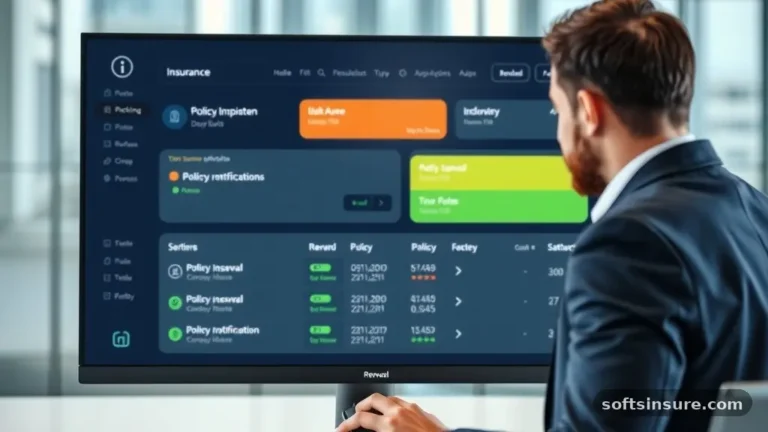
Modern insurance software provides a unified view of the customer, often referred to as a 360-degree profile. When a policyholder calls, the agent sees their entire history on one screen.
They can greet the customer by name, acknowledge their specific policy nuances, and reference past interactions immediately. This level of personalization makes the customer feel valued rather than like a ticket number in a queue.
Proactive service also becomes possible with this centralized data. If an agent sees that a customer’s policy is about to expire, they can reach out with a tailored renewal offer before the customer even starts looking elsewhere. This shift from reactive to proactive communication is a primary driver of improved retention rates.
Empowering Clients Through Self-Service Portals
Many customers today prefer to handle routine tasks on their own terms without waiting for a phone call. Insurance software provides secure customer portals that act as a 24/7 service hub. These tools allow policyholders to access their documents, update personal information, or pay premiums whenever it is convenient for them.
The impact of this autonomy on customer service cannot be overstated. By offloading simple administrative requests to the software, agents are freed up to handle complex issues that require human judgment and empathy. It creates a balanced ecosystem where the technology handles the routine and the humans handle the relationships.
| Task Type | Traditional Method | Software-Enabled Method |
|---|---|---|
| Policy Updates | Phone call and paperwork | Instant portal modification |
| Premium Payments | Mailed checks or manual calls | Automated recurring payments |
| Claim Submission | Physical forms and mail | Mobile upload and tracking |
| Document Retrieval | Requesting copies from agents | Self-service download anytime |
Improving Internal Communication Efficiency
Customer service isn’t just about the interaction between the agent and the client; it is also about the internal coordination that makes that interaction possible. Insurance software acts as a central nervous system for an agency. It ensures that notes, updates, and pending action items are visible to everyone who needs to see them.
When a customer calls with a complex query, an agent can instantly see if a colleague has already spoken with them. This avoids the frustration of the customer having to explain their situation multiple times to different representatives. It also ensures that the service provided is consistent, regardless of which team member is on the line.
Better internal workflows also mean that underwriters and agents are on the same page. If an agent needs a quick clarification on a policy rule, they can ping the relevant department through the system. This internal speed translates directly to faster, more accurate answers for the customer.
Data Analytics for Better Service Delivery
How insurance software improves customer service is also evident in the way firms use data to identify service gaps. By tracking key performance indicators, managers can see exactly where bottlenecks occur. If data shows that calls about billing spike on a specific day of the month, the firm can adjust its staffing or improve its automated payment reminders.
Managers can also review recorded calls and transcriptions to identify areas for staff training. This isn’t about monitoring employees for the sake of it, but about identifying common customer pain points. When an agent knows exactly what a customer is struggling with, they can offer much more relevant advice.
This data-driven approach allows for constant iteration. Instead of guessing what customers want, firms can look at the evidence provided by their software. They can refine their processes, simplify their language, and improve the overall experience based on concrete usage trends.
Streamlining Communication Channels
Modern customers expect to interact with their insurance providers across multiple channels, including email, chat, and social media. Managing these disparate channels manually is a recipe for missed messages and frustrated clients. Insurance software integrates these various streams into a single dashboard.
This omni-channel approach ensures that no inquiry falls through the cracks. Whether a customer sends a message through a mobile app or an email, the system flags it for a timely response. It maintains the continuity of the conversation, regardless of the medium used.
* Real-time chat support for quick policy questions.
* Automated email notifications for policy changes.
* Mobile app push notifications for payment deadlines.
* Secure messaging for sensitive document sharing.
Consistency across these channels builds a sense of reliability. When a customer knows they can reach their provider through their preferred method, their overall trust in the brand increases.
Reducing Human Error in Policy Management
Manual data entry is prone to mistakes, and in the insurance world, a small typo can lead to significant coverage issues. Insurance software automates the intake and processing of policy data, which drastically reduces the risk of human error. When the system handles the calculations and document generation, the chance of an incorrect premium or an invalid policy clause drops significantly.
Reliability is a key component of customer service. When a policyholder trusts that their data is accurate and their coverage is exactly what they expected, they are far more likely to remain a loyal client. The software acts as a safeguard, ensuring that the details are always precise and up-to-date.
Agents also benefit from this accuracy. They can spend their time building rapport with the client rather than double-checking forms for errors. The peace of mind that comes from using a reliable system reflects in the confidence with which an agent delivers service.
Proactive Risk Management and Guidance
Insurance is fundamentally about risk, and software allows for more proactive risk management that benefits the customer. By analyzing historical data, software can alert policyholders to potential risks before they become claims. For example, a home insurance system might alert a customer to a high risk of storm damage based on their location and suggest preventative measures.
This shift transforms the insurance provider from a mere payer of claims into a valued partner in risk mitigation. Customers appreciate advice that helps them protect their assets. This guidance strengthens the relationship and positions the insurance agency as a helpful, knowledgeable resource.
When a firm can offer specific, personalized advice, it shows that they care about the customer’s well-being. This creates a lasting bond that goes beyond the transactional nature of a policy. It is a powerful way to foster long-term loyalty and satisfaction.
Frequently Asked Questions
Does insurance software replace the human element?
No, it actually enhances it. By automating repetitive administrative tasks, the software frees up agents to focus on higher-value interactions that require empathy and expert judgment.
How does this software help with customer retention?
It improves retention by making the entire experience smoother and more responsive. When customers can self-serve for easy tasks and receive fast, accurate support for complex ones, they are much more likely to stay with the company.
What is the most important feature for customer service?
Centralized data is arguably the most critical feature. Being able to see a full history of a customer’s interactions, policies, and claims in one place allows for a personalized and efficient service experience every time they call.
Is it difficult for agents to learn these new systems?
While any new technology requires a learning curve, most modern insurance platforms are designed with intuitive interfaces. Once agents see how much time they save on paperwork, the adoption process usually happens quite quickly.
Can small insurance agencies benefit from this?
Absolutely. Small agencies often have limited staff, so the efficiency gains provided by automation are even more impactful. It allows a small team to provide the same level of service as much larger competitors.
Conclusion
The transition toward digital platforms has redefined the standards of care within the industry. By leveraging technology to handle the heavy lifting of data management and process automation, agencies are finding that they can offer a much higher level of support to their clients.
Understanding how insurance software improves customer service is about recognizing that efficiency is the foundation of empathy. When a firm removes the friction from policy management, claims processing, and communication, it creates space for the human connection that truly matters.
The next step for any agency is to evaluate their current workflows and identify where digital tools can fill the gaps. Whether it is implementing a self-service portal or centralizing client data, every improvement contributes to a stronger, more resilient business. By committing to these digital enhancements, you ensure that your team remains focused on what they do best: serving the people who rely on them.