
How Insurance Software Helps Organize Customer Data
Understanding how insurance software helps organize customer data is the foundation of modern agency growth. By centralizing scattered details into a single, accessible system, these tools allow agents to stop chasing files and start focusing on client relationships. You will discover how specific digital frameworks turn messy spreadsheets into actionable insights that drive retention and sales.
Centralizing Client Information
The primary way insurance software helps organize customer data is by creating a single source of truth for every policyholder. In a traditional office, information often lives in disparate silos like email threads, paper folders, and local hard drives. This fragmentation leads to lost documents and missed renewal opportunities.
When an agency adopts a specialized CRM, every interaction is logged in one place. An insurance agent can see a client’s entire history, including past claims, active policies, and recent communication, with a single click. This visibility reduces the time spent searching for details during a phone call.
Efficiency improves immediately when staff members no longer have to toggle between multiple applications. By consolidating data, the software ensures that everyone—from the front desk to the producers—is looking at the same information. This alignment prevents embarrassing errors, such as calling a client about a policy that has already been canceled.
Automating Data Entry and Updates
Manual data entry is the silent killer of productivity in the insurance industry. Every minute an agent spends typing contact information into a spreadsheet is a minute they aren’t selling or advising. Modern platforms automate this by syncing directly with lead sources and policy management systems.
When a new prospect fills out a form on your website, their data flows directly into the database. There is no need for manual re-entry, which eliminates the risk of human error. Typos in email addresses or phone numbers often result in missed follow-ups, so automation acts as a quality control measure.
These systems also handle updates automatically when policy details change. If a client updates their address or adds a driver, the software reflects these changes across all relevant modules. This consistency ensures that billing, marketing, and coverage documents are always current and accurate.
Improving Customer Communication
Organized data changes the tone and effectiveness of your communication. Instead of sending generic mass emails, agents can use the detailed records to send personalized messages based on specific life events. This level of care fosters trust and loyalty.
For example, if the software shows a client has a teen driver on their auto policy, you can send targeted information about “good student” discounts. This is not just a marketing tactic; it is a service that adds value to the customer experience. When you anticipate needs, clients feel understood rather than sold to.
The software also tracks when a client was last contacted. This prevents over-contacting or neglecting high-value accounts. By maintaining a structured log of every touchpoint, the agency creates a predictable and professional communication rhythm that builds long-term retention.
Enhancing Claims Management Efficiency
Claims are the moments of truth for any insurance agency. When a disaster strikes, a client expects their agent to know exactly what is happening with their coverage. If data is disorganized, the agent struggles to provide answers, which damages the client relationship.
Insurance software helps organize customer data during the claims process by linking the claim directly to the policy record. The agent can instantly see the coverage limits and deductible details without digging through physical files. This speed allows for faster advocacy on behalf of the client.
Furthermore, documenting the progress of a claim within the CRM ensures that no steps are missed. You can set automated reminders to check in with the client or the carrier. This proactive approach turns a stressful situation into a demonstration of the agency’s reliability and professional competence.
Security and Compliance Standards
Handling sensitive financial and personal information requires a high level of digital security. Insurance software is built to meet industry-specific compliance requirements that standard spreadsheets simply cannot match. Protecting this data is not just good business; it is a legal necessity.
Most modern platforms provide role-based access controls. This means that an intern might only see basic contact info, while a licensed broker has access to full policy details and social security numbers. This limits the risk of data leaks and ensures that sensitive information is only handled by authorized personnel.
Audit trails are another critical feature of these systems. The software logs every time a record is viewed, edited, or exported.
If a data breach occurs or a record goes missing, the agency can trace exactly who accessed the information and when. For more information on securing client records, you can visit the Federal Trade Commission’s guide on data security.
Comparing Data Management Methods
It is helpful to look at how different methods of tracking information compare in terms of scalability and reliability. Many small agencies start with simple tools, but they eventually reach a breaking point where the volume of information becomes unmanageable.
| Method | Data Reliability | Scalability | Collaboration |
|---|---|---|---|
| Paper Files | Low (Risk of loss) | Poor | Difficult |
| Spreadsheets | Moderate (Errors likely) | Low | Limited |
| Insurance CRM | High (Secure/Centralized) | High | Excellent |
The table above illustrates why the transition to a dedicated system is inevitable for growing businesses. While spreadsheets may feel sufficient at the start, they lack the features necessary for team coordination. As your agency adds more clients, the time lost to manual data management becomes a significant financial drain.
Optimizing Sales Pipelines
Organized data is the fuel for your sales pipeline. When lead information is clean and categorized, it becomes much easier to identify high-potential prospects. Agents can filter their lists by specific criteria, such as policy expiration dates or coverage gaps.
This segmentation allows for highly effective sales campaigns. Instead of calling every lead in the database, an agent can focus on those who are most likely to buy right now. This targeted approach increases conversion rates and makes the daily work of an agent more rewarding.
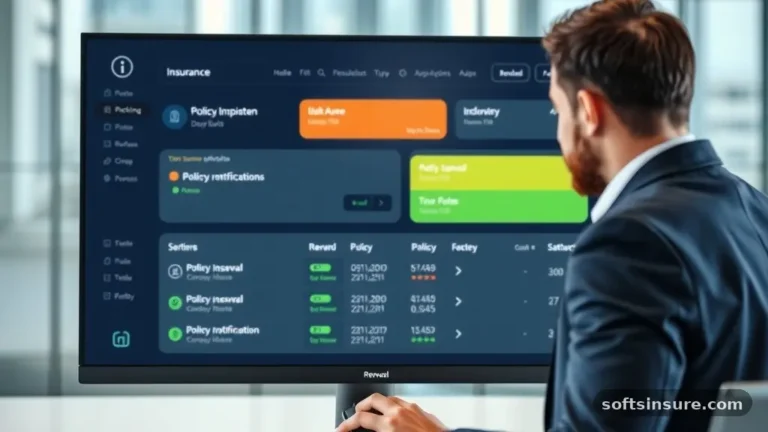
The software also provides visual dashboards that show the status of every deal. You can see exactly how many leads are in the “quoting” stage versus the “closed” stage. This visibility helps agency owners make informed decisions about resource allocation and staffing.
Common Questions About Data Management
What is the biggest benefit of using insurance CRM software?
The primary advantage is having a centralized, secure location for every piece of client information. This eliminates the need to search through multiple folders or emails, which saves significant time and reduces errors.
How does this software improve client retention?
By maintaining detailed records of client history and life events, agents can offer personalized service. Reminding a client about a policy renewal or suggesting a coverage adjustment based on their specific situation makes them feel valued.
Is it difficult to move data from spreadsheets to a new system?
Most modern insurance platforms offer import tools that make the transition straightforward. While it requires some initial cleanup of your existing data, the long-term gains in efficiency far outweigh the temporary effort of migration.
How do I ensure my data stays secure in the cloud?
Reputable insurance software providers use advanced encryption and regular security audits to protect your data. By choosing a platform with a strong track record, you are likely safer than keeping paper files or unsecured local files in an office.
Can this software help with cross-selling?
Yes, the software can identify gaps in a client’s coverage by analyzing their current policies. This allows agents to suggest relevant products, such as adding umbrella insurance to an existing auto and home package, at the right time.
Conclusion
Integrating technology into your workflow is the most effective way to handle the complexities of modern insurance. When you leverage tools that prioritize data organization, you create an environment where your team can thrive and your clients feel genuinely supported. This shift from manual administrative work to high-value relationship building is exactly how insurance software helps organize customer data to drive long-term success.
Start by auditing your current processes to identify where information is currently getting stuck. Whether it is a messy email inbox or a disconnected set of spreadsheets, selecting a dedicated system will provide immediate clarity. By taking these steps today, you position your agency for growth, better client outcomes, and a much smoother daily operation.