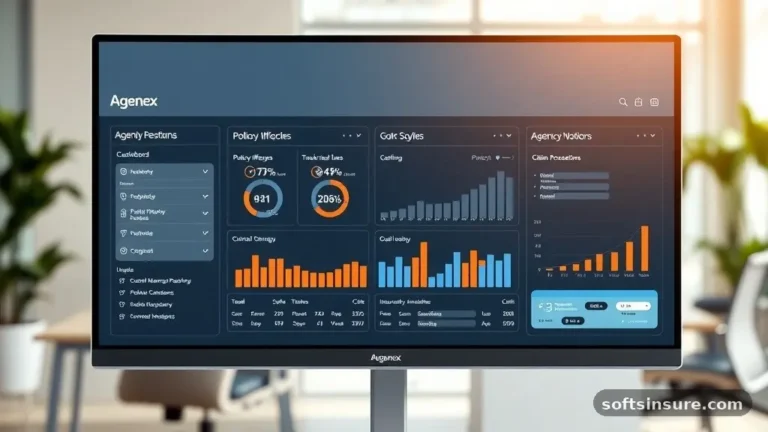

What Is Insurance Underwriting Software?
Insurance underwriting software acts as the digital engine for modern risk assessment, enabling carriers to evaluate policies with speed and precision. By automating complex data analysis and decision-making workflows, these platforms move insurers away from manual spreadsheets and toward real-time accuracy.
If you are looking to understand how technology is reshaping the insurance industry, you will find that these tools are the primary driver behind faster quote generation and more consistent risk outcomes. This article explores how these systems function, the benefits they offer to carriers, and why they have become an indispensable part of modern insurance operations.
Defining Insurance Underwriting Software
At its core, insurance underwriting software is a specialized technology platform designed to automate and streamline the evaluation of risk. Underwriters use these tools to ingest data from various sources, apply specific underwriting rules, and determine whether to accept or decline a potential policy. Instead of relying on manual data entry, the software connects directly to external databases, credit bureaus, and industry-specific risk models.
The primary function of this technology is to replace the fragmented, spreadsheet-heavy workflows that defined the industry for decades. When a new submission arrives, the software automatically validates the information against predefined business rules. This allows underwriters to focus their expertise on complex, edge-case scenarios rather than routine data verification tasks.
By centralizing information, these platforms ensure that every decision is backed by consistent logic. This consistency is vital for insurers who need to maintain strict regulatory compliance while scaling their business. Ultimately, the software acts as an intelligent assistant, surfacing critical information exactly when an underwriter needs it to make a final call on a risk.
How Underwriting Platforms Manage Risk
Risk assessment is a multi-layered process that requires analyzing vast amounts of disparate information. Modern underwriting platforms aggregate this data into a single, cohesive view, allowing for a more granular understanding of the potential exposure. This approach moves beyond basic actuarial tables to incorporate real-time insights that might otherwise be missed.
The software often utilizes predictive analytics to score risks based on historical patterns and current market trends. For instance, in property insurance, the system might instantly pull geographic climate data, building material information, and historical claim frequency for a specific neighborhood. This level of detail allows the underwriter to price the policy more accurately, ensuring the premium matches the actual level of risk.
Beyond simple calculation, these tools provide a structured environment for managing the lifecycle of a policy. They help maintain a clear audit trail of why a risk was accepted, the data points considered, and the final pricing logic applied. This transparency is essential for internal reporting and external regulatory audits, providing a clear window into how the company manages its portfolio.
The Role of Automation in Submissions
A significant portion of an underwriter’s day is consumed by reviewing submissions, many of which contain incomplete or inconsistent data. Automation within these platforms addresses this bottleneck by standardizing the intake process. When a broker submits an application, the software automatically checks for missing fields or logical errors before it ever reaches a human desk.
This process, often referred to as “straight-through processing,” allows simple, low-risk policies to be approved almost instantly without manual intervention. For more complex submissions, the system highlights the specific areas requiring human judgment, effectively triaging the workload. This ensures that skilled underwriters spend their time where it adds the most value, rather than performing repetitive administrative tasks.
Efficiency in this area is a massive competitive advantage for insurers. Faster response times to brokers mean more business captured, as intermediaries are naturally drawn to carriers that provide quick, reliable decisions. The following table highlights the operational impact of moving from manual workflows to automated platforms.
| Process Metric | Manual Workflow | Automated Platform |
|---|---|---|
| Submission Intake Time | 24–48 Hours | Seconds to Minutes |
| Data Validation Accuracy | Variable/Human Error | High/Consistent |
| Policy Turnaround | Days | Minutes to Hours |
| Underwriter Capacity | Limited by Admin | Focused on Complex Risks |
Key Features of Modern Underwriting Workbenches
An underwriting workbench is the specific interface where the professional interacts with the data. A high-quality workbench must be intuitive, providing a comprehensive view of the account while allowing for deep dives into specific risk factors. These environments are built to support the complex cognitive load that underwriting requires.
Integration is a defining characteristic of a successful platform. The software must be able to pull data from legacy policy administration systems, external IoT devices, and third-party data providers. Without these integrations, the workbench becomes just another siloed tool that complicates rather than simplifies the daily workflow.
Many platforms also incorporate collaboration features that allow underwriters to share files, notes, and decisions with other stakeholders instantly. This is particularly important for large, commercial risks that might require input from loss control engineers or actuarial teams. By fostering this level of communication, the software ensures that everyone involved in the risk evaluation is working from the same source of truth.
Data Integration and External Sources
The intelligence of any underwriting system is only as good as the data it consumes. Modern platforms are designed to ingest a wide variety of inputs that go far beyond the initial application form. This includes structured data like financial statements and unstructured data like site inspection reports or satellite imagery.
Insurers must prioritize the quality and relevance of the data they feed into their systems. If the information is outdated or inaccurate, the automated rules will produce flawed risk assessments. Therefore, these platforms often feature sophisticated data cleansing modules that identify inconsistencies before they can influence a decision.
You can learn more about the broader implications of data standards and digital transformation in the insurance sector through the National Association of Insurance Commissioners. Their resources provide a helpful perspective on how regulatory bodies view the intersection of technology and consumer protection. Understanding these standards helps insurers build systems that are not only efficient but also compliant with evolving industry requirements.
The Impact of Artificial Intelligence
Artificial intelligence is rapidly moving from a buzzword to a practical tool within insurance underwriting software. Machine learning models can now identify subtle risk signals that human underwriters might overlook. By analyzing thousands of historical claims, these models can predict the likelihood of future losses with increasing accuracy.
AI-driven tools also assist in document digitization, using optical character recognition to pull information from scanned PDFs or handwritten forms. This eliminates the need for manual data entry, which is a major source of error and delay in traditional environments. The goal is to create a “digital twin” of the risk, allowing for simulations that help underwriters visualize potential outcomes.
While AI handles the heavy lifting, it is important to remember that it acts as a decision-support tool rather than a replacement for human judgment. The final authority remains with the professional, who interprets the AI’s output in the context of broader business goals. This synergy between human intuition and machine processing is the hallmark of a high-performing insurance organization.
Core Benefits for Insurance Businesses
Implementing robust software solutions provides clear, measurable benefits to the bottom line. The most immediate impact is a reduction in operational costs, as automated workflows allow for higher volumes of business without a proportional increase in headcount. This scalability is vital for insurers looking to enter new markets or expand their product lines.
Another key benefit is improved loss ratios. By utilizing more accurate risk assessment models, insurers can avoid underpriced policies that lead to excessive claims. This precision creates a more stable and profitable portfolio over the long term, which is the primary objective of any insurance carrier.
Consistency across the organization is also a major advantage. When all underwriters use the same software and adhere to the same set of rules, the company avoids the “silo effect” where different departments make contradictory decisions. This uniformity builds trust with brokers and policyholders, who value a predictable and transparent experience.
Common Challenges During Implementation
Adopting new software is rarely a simple task, especially for established companies with legacy infrastructure. The primary challenge is usually data migration, as moving information from outdated systems to a modern platform is notoriously complex. It requires meticulous planning to ensure that no critical historical data is lost or corrupted during the transition.
Organizational change is another hurdle that cannot be ignored. Underwriters who are accustomed to manual processes may be resistant to adopting new tools, fearing that technology will diminish their expertise. Providing comprehensive training and demonstrating the tangible benefits of the software—such as reduced administrative burden—is essential for securing internal buy-in.
Finally, integrating the new platform with existing systems requires careful technical coordination. The software must communicate seamlessly with billing, claims, and policy administration modules to ensure a smooth flow of information across the enterprise. A phased rollout approach is often the most effective way to manage these complexities and minimize operational disruption.
Frequently Asked Questions
What specific software do insurance underwriters use?
Underwriters typically use specialized underwriting workbenches or platforms like Guidewire, Sapiens, or custom-built internal applications. These tools serve as the central hub for managing submissions, accessing data, and calculating risk scores.
Can artificial intelligence fully replace an underwriter?
AI cannot fully replace an underwriter, as human judgment is required for complex, nuanced, or high-value risks. Instead, AI serves as an assistant that automates data collection and risk scoring, allowing the human professional to focus on high-level decision-making.
What are the three main types of underwriting?
While definitions can vary, underwriters generally focus on life and health, property and casualty, and commercial lines. Each requires different data points and regulatory considerations, which modern software is designed to accommodate.
How does underwriting software affect the broker experience?
Brokers benefit significantly from faster quote generation and clearer status updates on their submissions. When an insurer uses efficient software, the broker can provide their clients with competitive pricing and rapid approvals, which strengthens the business relationship.
Is it possible to find free underwriting software?
While some basic tools or open-source frameworks exist, enterprise-grade underwriting software is highly complex and typically represents a significant investment. Most carriers opt for dedicated, paid platforms that offer security, support, and integration capabilities that free tools cannot provide.
Conclusion
Insurance underwriting software has transformed from a luxury into a fundamental requirement for any carrier aiming to remain competitive. By automating the intake process, integrating disparate data sources, and providing advanced analytical insights, these tools empower underwriters to make faster, more accurate decisions. The shift toward digital-first operations is not just about technology; it is about building a more responsive and profitable business model that better serves policyholders.
As you look to optimize your own underwriting processes, focus on identifying the bottlenecks in your current workflow and selecting a platform that aligns with your specific risk appetite. Whether you are scaling your operations or simply looking to improve the consistency of your decisions, the right software will provide the foundation you need. Embracing these digital tools allows your team to focus on what they do best: assessing risk with confidence and clarity.