
What Is Insurance Quoting Software? How Digital Tools Work?
Insurance quoting software serves as the digital backbone for modern insurance distribution, enabling professionals to generate accurate policy premiums in seconds. By connecting directly to carrier databases or using sophisticated rating engines, these platforms eliminate the manual drudgery that once defined the industry. Understanding how this technology functions is essential for any modern insurance agent looking to scale their operations and improve customer retention.
Defining the core function of quoting technology
At its most basic level, insurance quoting software acts as a bridge between an insurance agent and multiple insurance carriers. Instead of logging into five different websites to check rates for a single client, an agent enters data into one centralized interface. The software then broadcasts this request to various carriers and returns a list of competing premiums in real-time.
This process replaces outdated paper-based rating manuals or cumbersome individual carrier portals. By centralizing the intake of client information, the tool ensures that data consistency remains high across every submission. When an agent inputs a client’s age, location, and health history once, the software maps those variables to the specific rating requirements of every carrier in the network.
This technology is not just for convenience; it is a vital component of modern sales velocity. When a customer asks for an immediate price estimate, they expect a response before they hang up the phone or close their browser window. Software that provides these figures instantly allows the agent to focus on consultative selling rather than administrative data entry.
How the rating engine architecture works
Behind the scenes, these platforms utilize complex rating engines that interpret the underwriting guidelines of different insurance companies. Each carrier has a unique set of rules regarding risk, such as how they weight a history of smoking or a specific driving violation. The quoting software translates these diverse rules into a standardized format that the agent can easily navigate.
The software often relies on API integrations to pull data directly from the carrier’s core system. When a request is sent, the API communicates the specific risk parameters to the carrier, which then calculates a premium based on their proprietary algorithms. The software then displays this figure within the agent portal, often alongside a side-by-side comparison.
Underwriting is the invisible hand guiding these calculations. Because the software is programmed with the specific appetite of each carrier, it helps agents avoid sending applications to companies that are unlikely to approve the risk. This pre-screening capability ensures that the quotes generated are not just estimates, but highly probable outcomes for the client.
The role of the agent portal
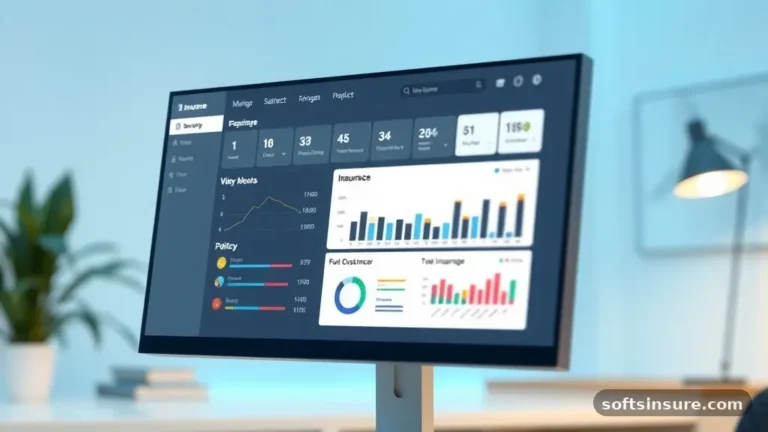
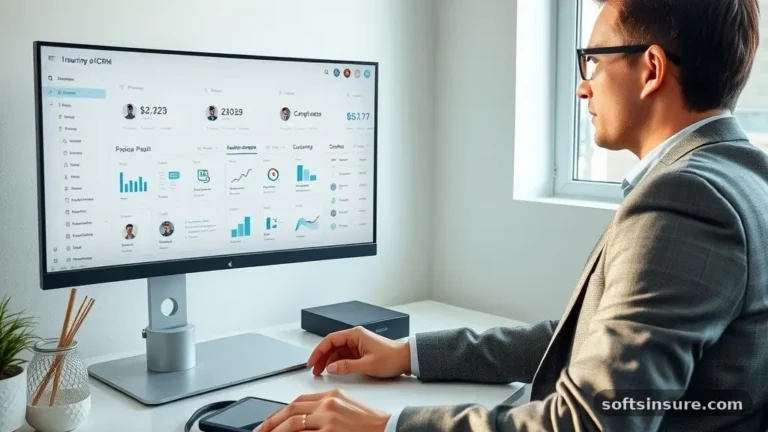
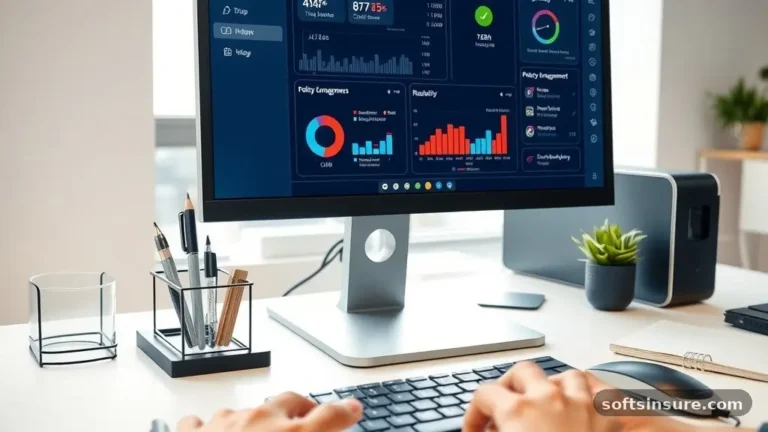
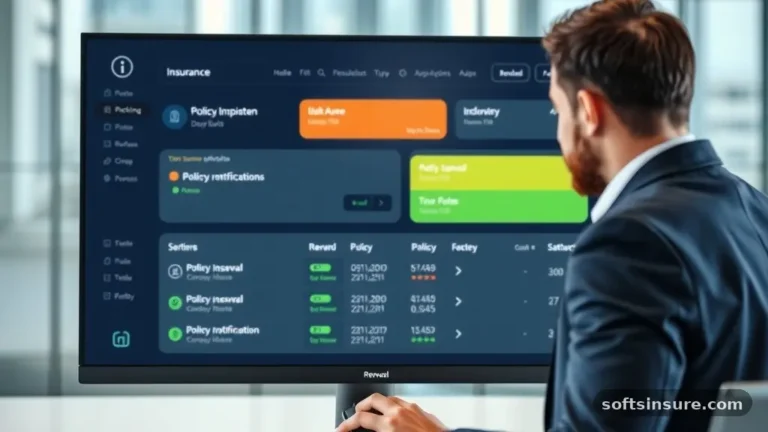
An agent portal is the user-facing dashboard where all the magic happens. It is designed to be intuitive, allowing a user to manage a full pipeline of leads from a single screen. Most modern portals include features like lead management, document storage, and automated follow-up sequences.
Effective portals prioritize a clean user interface that minimizes the time required to input information. Since time is money in a high-volume sales environment, the best tools use smart forms that hide irrelevant fields based on the type of insurance being quoted. For example, a life insurance quote will hide questions about vehicle mileage that would be necessary for an auto insurance quote.
The portal also serves as a secure repository for sensitive client data. Because insurance involves collecting personal health and financial information, these software solutions must adhere to strict data privacy standards. This ensures that when an agent handles a client’s file, the information remains encrypted and compliant with industry regulations.
Key benefits for independent insurance professionals
Independent agents face the unique challenge of representing multiple carriers simultaneously. Without specialized software, maintaining a competitive edge would be nearly impossible due to the sheer volume of manual work involved. These tools allow agents to present a broader range of options, which naturally increases the likelihood of closing a sale.
| Feature | Manual Process | Software-Enabled Process |
|---|---|---|
| Data Entry | Repeated for each carrier | Single entry for all carriers |
| Quote Turnaround | Hours or days | Seconds or minutes |
| Comparison | Spreadsheet creation | Instant side-by-side view |
| Accuracy | High risk of human error | Automated validation |
Beyond speed, the software provides a professional presentation for the client. Instead of a messy email chain or handwritten notes, the agent can generate a branded, professional comparison report. This visual evidence of market research builds trust and positions the agent as an expert who is working in the client’s best interest.
Comparing life insurance versus property and casualty tools
While the underlying goal of all quoting software is to provide a price, the mechanics differ significantly between product lines. Life insurance tools often focus on health data and long-term underwriting classification. In contrast, property and casualty systems prioritize geographical risk, such as proximity to fire stations or flood zones.
Life insurance quoting software frequently includes “health calculators” that help agents determine which underwriting class a client might qualify for. This is crucial because a slight change in the health rating can result in a significant shift in the final premium. The software helps manage these expectations early in the sales cycle.
Property and casualty tools, however, often integrate with public records databases. These tools pull data on property age, square footage, and renovation history directly from municipal records or third-party data providers. This automation reduces the need for the agent to ask the homeowner repetitive questions about their home’s construction.
Essential features to look for in a platform
When selecting a tool for an agency, functionality should be prioritized over price. A cheap tool that lacks integration with your primary carriers will eventually cost more in lost time and missed opportunities. You should look for systems that offer deep integration with your existing CRM software to avoid double-entry.
* Real-time carrier connectivity: Ensure the software pulls live rates rather than cached data.
* Mobile responsiveness: Field agents need the ability to pull quotes while meeting clients away from the office.
* Customizable reporting: The ability to export quotes into PDFs that feature your agency’s branding.
* Compliance logging: Automated recording of what was quoted and when, which is vital for regulatory audits.
* Lead intake automation: Integration with website forms so that online leads are automatically imported into the quoting flow.
These features collectively contribute to a more efficient workflow. If a system requires you to manually copy and paste data from your email into the quoting tool, it is likely not optimized for modern efficiency. Look for platforms that support direct data syncing.
The impact of automation on the underwriting process
Automation has fundamentally changed how carriers and agents interact. In the past, an agent might submit an application and wait weeks for a manual underwriting review. Today, many quoting platforms support “straight-through processing” for simple, low-risk cases.
If the software identifies that a client meets all the automated underwriting criteria, it can trigger an instant approval. This shift allows human underwriters to spend their time on complex cases that require nuanced judgment. For the agent, this means faster commissions and a much shorter time to policy issuance.
However, it is important to remember that software is only as good as the data entered. If an agent fails to accurately disclose a medical condition, the automated system might provide a quote that is later retracted by the carrier. Proper training on how to use these tools is just as important as the software itself.
Future trends in insurance distribution
The industry is moving toward greater transparency and faster digital transactions. More companies are beginning to publish their full rating APIs, which allows software developers to create increasingly accurate and comprehensive tools. As these APIs become more standardized, the barriers between different carriers will continue to dissolve.
Artificial intelligence is also beginning to play a larger role in these platforms. Some systems now use machine learning to suggest the best carrier for a specific client based on historical approval rates. This predictive capability helps agents focus their efforts on the carriers most likely to provide a competitive price and a smooth experience for that specific profile.
For further reading on how digital transformation is shaping the financial sector, you can consult the resources provided by the National Association of Insurance Commissioners. They provide excellent context on how technology affects consumer protection and market competition. Staying informed about these shifts will help you remain competitive as the landscape continues to evolve.
Frequently Asked Questions
Is insurance quoting software only for large brokerages?
No, many modern platforms are designed specifically for independent agents and small agencies. These tools are often priced on a per-user basis, making them scalable for individual practitioners as well as large teams.
Does using quoting software replace the need for an insurance agent?
It does not. While the software handles the math and the data retrieval, the agent provides the human element of advice, risk assessment, and relationship management that automated systems cannot replicate.
Are these tools free for agents to use?
Most professional-grade quoting software requires a monthly or annual subscription fee. While some carrier portals are free, they only show that specific carrier’s rates, which limits your ability to compare options for your clients.
Can these tools handle complex commercial insurance?
While simple commercial lines can be quoted through some platforms, complex commercial risks often require manual underwriting and specialized knowledge. Most software focuses on standardized products like life, auto, and home insurance.
How do I know if the software is secure?
Look for platforms that are SOC 2 compliant or explicitly mention their data encryption standards. Reputable providers will always have a clear privacy policy regarding how they handle your client’s sensitive information.
Conclusion
Insurance quoting software is a foundational element of the modern insurance business, providing the speed and accuracy necessary to thrive in a competitive market. By automating the retrieval of rates and simplifying the comparison process, these tools empower agents to focus on their primary mission: serving their clients. Whether you are an independent agent or part of a larger firm, adopting the right technology will significantly improve your efficiency and professional output.
As you look to integrate these systems into your workflow, start by evaluating your most time-consuming tasks. Identify which carriers you use most often and ensure your chosen platform supports them fully. By embracing the right insurance quoting software today, you can build a more scalable and responsive business that is prepared for the challenges of tomorrow.