
Insurance Industry Software: Common Uses and Benefits
Modern insurance industry software acts as the digital backbone for agencies and carriers, streamlining complex workflows that once relied on stacks of paper. By automating routine tasks and centralizing client records, these platforms allow professionals to focus on relationship-building rather than data entry.
Whether you are an independent agent or part of a large brokerage, understanding how to leverage these tools effectively is essential for staying competitive in a fast-paced market. This article explores the primary functions and tangible advantages of deploying these systems, helping you decide which features will best support your long-term business goals and growth objectives.
Core Functionality of Agency Management Systems
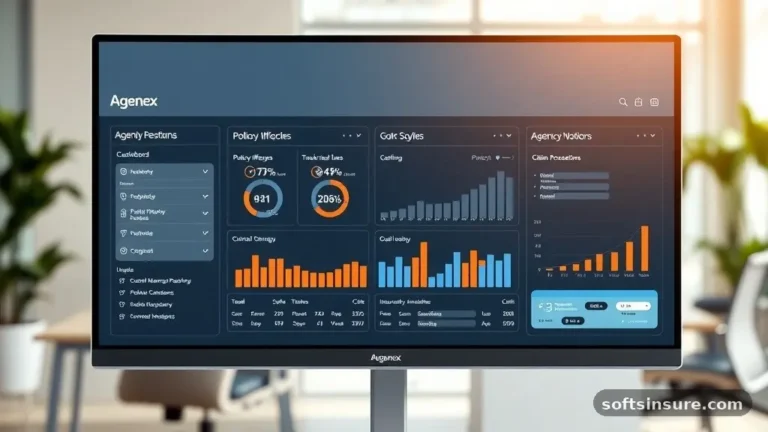
Agency management systems, often referred to as AMS, serve as the primary hub for most insurance businesses. These platforms consolidate client information, policy documents, and billing history into a single, searchable interface.
Instead of jumping between disparate spreadsheets and physical files, agents can pull up a complete history of a client with a few clicks. This level of organization is the primary reason firms invest in such technology.
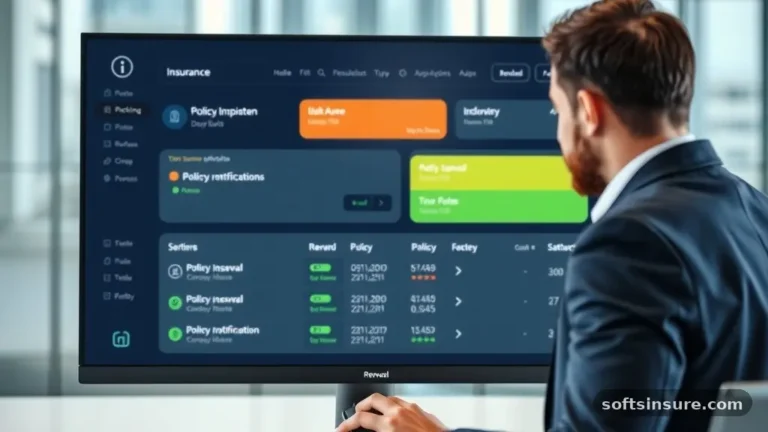
Beyond basic storage, these systems automate the renewal process. They track expiration dates and trigger alerts, ensuring that no policy lapses due to an administrative oversight.
This reduces the risk of errors and omissions, which is a major concern for any agency. By maintaining a clear audit trail, the software also simplifies the process of responding to regulatory inquiries or internal quality checks.
Integration is another critical component of these systems. Modern platforms often connect directly with carrier portals, allowing agents to download policy data without re-keying information.
This reduces the time spent on manual data entry by significant margins, often cutting processing time in half. When data flows directly from the insurer to the agent’s dashboard, accuracy improves, and the potential for human error drops significantly.
Optimizing Claims Processing Efficiency
Claims processing remains the most sensitive interaction between insurers and their policyholders. Software solutions in this space aim to minimize the friction often associated with filing and tracking a claim.
By providing a digital portal for clients to upload photos, forms, and incident reports, insurers can initiate the review process almost immediately. This speed is vital for maintaining customer trust during stressful situations.
Internal teams benefit from automated workflows that route claims to the appropriate adjusters based on complexity and expertise. If a claim involves a simple fender-bender, the system might trigger an automated approval path.
More complex incidents are flagged for human review, ensuring that resources are allocated where they are needed most. This triage approach prevents bottlenecks that typically stall the claims cycle.
Data analytics play a massive role in modern claims handling. By identifying patterns in reported losses, insurance companies can adjust their risk models and pricing strategies more accurately.
If a specific region is seeing a spike in certain types of claims, the software highlights this trend, allowing for proactive adjustments. This data-driven approach turns the claims department from a reactive cost center into a source of strategic insight.
Enhancing Customer Relationship Management
Effective customer relationship management, or CRM, is the lifeblood of any successful insurance agency. Dedicated software for this purpose allows agents to track every touchpoint, from the initial lead inquiry to the final policy renewal.
By logging calls, emails, and meetings, the system creates a comprehensive view of the client’s journey. This context is invaluable when trying to cross-sell new products or provide personalized service.
Automated marketing tools within these platforms allow for targeted communication. If a client is turning 65, the system can automatically suggest Medicare supplement information.
If a business owner is expanding their fleet, the software can prompt the agent to reach out regarding commercial auto coverage. These timely, relevant interactions increase the likelihood of conversion and strengthen client loyalty.
The ability to segment customers based on demographics, risk profiles, or previous purchases also helps in tailoring outreach. Instead of sending generic newsletters to an entire database, agents can send specific, high-value information to groups that need it.
This precision marketing saves time and improves the effectiveness of every communication sent out by the agency. High-quality client interactions are consistently linked to better retention rates over the long term.
Data Security and Regulatory Compliance
Handling sensitive financial and personal information requires a robust approach to security. Insurance industry software providers invest heavily in encryption and multi-factor authentication to protect client data from breaches.
Because insurance companies are subject to strict regulations like HIPAA or state-specific privacy laws, the software they choose must be built with these requirements in mind. Automated compliance tracking ensures that the business remains on the right side of the law.
Backup protocols are another essential feature of modern platforms. In the event of a cyberattack or hardware failure, having a secure, cloud-based backup ensures that business operations can continue with minimal disruption.
Many providers offer redundant storage across multiple geographic locations. This geographic diversity protects the business against localized disasters or power outages that might otherwise cripple operations.
Access control is a crucial component of internal security. By defining clear roles and permissions, agency owners can ensure that staff members only see the data necessary for their specific tasks.
This minimizes the risk of accidental data leaks and keeps sensitive financial information restricted to authorized personnel. Regular security patches and updates from the software developer further insulate the business from emerging digital threats.
Comparative Analysis of Software Features
Choosing the right platform often involves a direct comparison of features and capabilities. The following table highlights common categories where software solutions differ in their approach to business management.
| Feature Category | Standard Capabilities | Advanced Capabilities |
|---|---|---|
| Data Storage | Local server hosting | Cloud-based, encrypted storage |
| Automation | Basic email reminders | Full workflow orchestration |
| Integration | Manual file imports | Real-time API carrier sync |
| Analytics | Static reports | Predictive modeling and AI |
Each agency must weigh these features against their specific operational needs. While some small shops might only require basic document management, larger firms often need the advanced predictive modeling that AI-driven systems provide.
It is important to evaluate the scalability of a platform before committing to a long-term contract. A system that works well today should still be effective as the business grows in headcount and policy volume.
Benefits of Cloud-Based Deployment
The shift toward cloud-based software has fundamentally changed how insurance professionals work. Accessibility is the primary benefit, as agents can now securely access their systems from anywhere in the world.
Whether they are working from home, a client’s office, or a mobile device, the information they need is always available. This mobility is essential for agents who spend much of their time in the field meeting with clients.
Cloud platforms also remove the burden of hardware maintenance from the agency owner. Instead of managing expensive on-site servers, businesses pay a subscription fee to a provider that handles all infrastructure updates.
This levels the playing field, allowing smaller agencies to access the same high-level technology as larger national firms. The predictable monthly cost structure is also easier to manage from a budgeting perspective.
Collaboration is significantly easier in a cloud environment. Multiple team members can view and update the same file simultaneously without the risk of version conflicts.
This real-time access ensures that everyone in the office is working from the same source of truth. As the National Association of Insurance Commissioners notes, technology adoption is a key factor in how modern agencies maintain operational integrity and provide consistent consumer protection.
Common Implementation Hurdles
Transitioning to new software is rarely a frictionless process. One of the biggest challenges is data migration, where legacy information must be transferred from old systems to the new platform.
This process requires cleaning existing data to ensure that duplicates are removed and that formatting is consistent. If this step is rushed, the new system will be plagued by inaccurate information, which diminishes its utility.
Staff training is the second major hurdle to success. Even the most powerful software is useless if the team does not know how to use it efficiently.
Agencies often find that dedicating a specific period for hands-on training and “super-user” development pays off in the long run. When employees feel confident in their ability to use the tools, they are much more likely to adopt them fully into their daily routines.
Resistance to change is a natural human reaction that leadership must address. It is helpful to frame the transition around the benefits to the individual, such as less time spent on paperwork and more time available for client meetings.
When employees see the direct impact on their own productivity, they are more likely to embrace the technology. Providing ongoing support and feedback loops can help smooth out the transition period.
Future Trends in Insurance Technology
Artificial intelligence and machine learning are the next frontiers for the industry. These technologies are being used to automate complex decision-making processes that previously required human intervention.
For example, AI can now analyze property risk by scanning satellite imagery or public records, providing a more accurate quote in seconds. This speed and precision represent a massive leap forward in underwriting capabilities.
Hyper-personalization is another trend that is reshaping client expectations. Using big data, insurers can now offer usage-based insurance, such as telematics for auto policies.
By tracking real-world behavior, the software allows for dynamic pricing that rewards safe drivers and careful homeowners. This creates a more equitable system where premiums are directly tied to actual risk rather than broad population statistics.
Blockchain technology is also gaining traction, particularly in the realm of smart contracts. These digital agreements can automatically trigger payments when certain conditions are met, such as a flight delay or a weather-related event.
This removes the need for manual claim filing and processing, resulting in near-instant payouts for policyholders. As these technologies mature, they will continue to redefine the relationship between insurers and their customers.
Frequently Asked Questions
Does insurance software replace the need for human agents?
No, software does not replace agents. Instead, it handles the repetitive, data-heavy tasks that slow agents down. This allows the human professional to focus on advisory roles, complex problem-solving, and building deep personal relationships with clients, which software cannot replicate.
How do I know if my agency is ready for a new software system?
If your team spends more time managing spreadsheets and searching for files than interacting with customers, you are likely ready for an upgrade. Signs include frequent data entry errors, difficulty accessing information remotely, and a lack of clear tracking on policy renewals or lead pipelines.
Is it expensive to move to a cloud-based insurance platform?
Costs vary depending on the size of your agency and the features you require. While there is an upfront investment in training and migration, the long-term savings often come from reduced administrative overhead and improved retention rates. Most modern systems operate on a scalable subscription model.
What is the most important feature to look for in a new system?
The most important feature is integration. You want a system that talks to the other tools you already use, such as your email client, accounting software, and carrier portals. A system that exists in a silo will eventually create more work for your staff rather than reducing it.
How long does the implementation process usually take?
Implementation timelines vary widely based on the complexity of your data and the size of your agency. A small firm might transition in a few weeks, while a large brokerage could take several months. A phased rollout, where you move one department at a time, is often the most successful strategy.
Effective use of insurance industry software is a foundational element of modern business success. By automating mundane tasks, securing sensitive client information, and providing actionable data insights, these systems enable agents to provide higher levels of service. The transition to digital platforms requires careful planning and a commitment to training, but the long-term benefits are substantial.
Embracing these tools allows your business to remain agile and responsive to the evolving needs of your clients. As you evaluate your current systems, consider how each feature contributes to your overall efficiency and customer experience. Taking the time to optimize your technology stack will pay dividends in both productivity and growth.