How Insurance Software Simplifies Claims Processing
Understanding how insurance software simplifies claims processing is essential for modern firms aiming to reduce operational overhead. By shifting from manual, paper-heavy workflows to centralized digital ecosystems, insurers can drastically improve their speed and accuracy. This transition not only benefits the bottom line but also creates a more transparent experience for policyholders waiting for resolution.
Whether you are a small agency or a large carrier, implementing the right technology changes the fundamental economics of risk management. Below, we look at the specific mechanisms that allow these platforms to turn complex, time-consuming tasks into streamlined, automated procedures.
Automating the Initial Intake Process
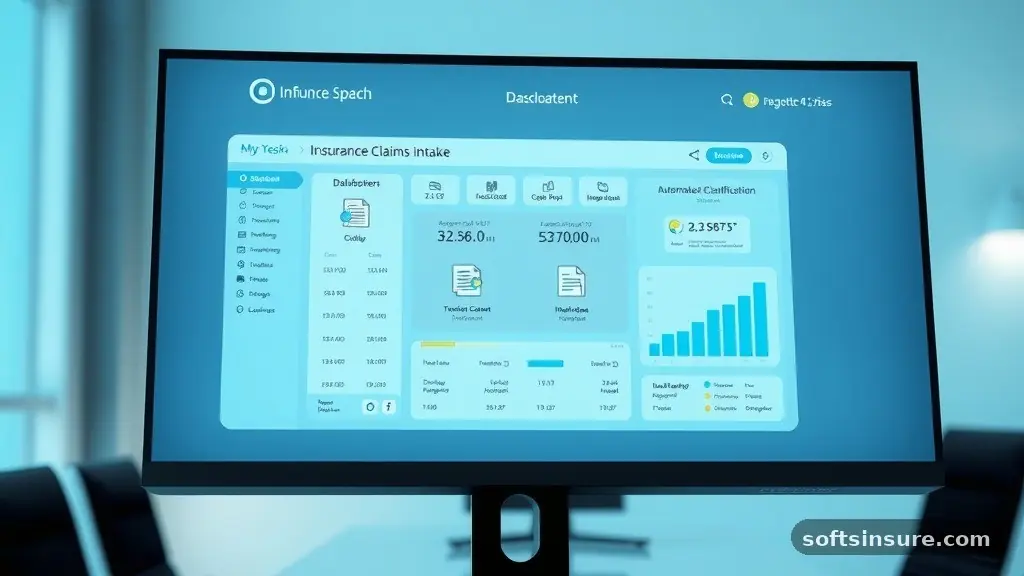
The primary way insurance software simplifies claims processing is by automating the very first step: the intake of information. Historically, a claim started with a phone call followed by manual data entry into a legacy system.
Modern platforms allow policyholders to submit details via mobile apps or secure web portals immediately after an incident occurs. This digital-first approach ensures that data is captured in a structured format from the start.
When a customer submits photos of vehicle damage or a detailed description of property loss, the software immediately tags this information. It routes the data to the appropriate department without human intervention.
This eliminates the “black hole” period where a claim sits on a desk waiting for someone to open it. By reducing the time between the incident and the first review, insurers can manage expectations and set the stage for a faster settlement.
Centralizing Data for Faster Decision Making
A core function of any robust management software is the creation of a single source of truth. When adjusters, investigators, and legal teams all access the same digital file, the risk of communication silos vanishes.
Every document, email, and internal note is attached to the unique claim identification number. This centralization prevents the common frustration of asking a policyholder for the same piece of information twice.
When all relevant data is visible in one place, the time spent searching through physical filing cabinets or disconnected folders drops to zero. Many platforms provide a comprehensive dashboard that displays the status of every active file in the company’s portfolio.
This visibility allows managers to spot bottlenecks before they delay a payout. It also ensures that compliance requirements are met, as every action taken on a file is automatically logged and timestamped.
Leveraging Automated Workflow Rules
Advanced systems use logic-based workflows to handle routine tasks that once consumed hours of human labor. For example, if a claim falls below a specific monetary threshold, the software can trigger an automatic approval process. This allows low-complexity cases to be resolved in hours rather than weeks, freeing up senior adjusters to handle complex litigation or high-value losses.
These workflows can also enforce internal policy standards. If a required document is missing—such as a police report for a theft claim—the system will automatically prompt the adjuster to request it.
It can even send an automated reminder to the policyholder via email or SMS. This keeps the process moving forward without requiring constant manual oversight from staff members.
Integrating Artificial Intelligence and Analytics
The integration of artificial intelligence represents a major leap in how insurance software simplifies claims processing. AI models can analyze images of damaged property to provide an initial estimate of repair costs.
By cross-referencing these images against historical data, the system can flag potentially fraudulent submissions for human review. This proactive approach saves thousands of dollars that would otherwise be lost to inflated or dishonest claims.
Analytics dashboards allow firms to monitor trends across their entire line of business. If data shows that specific types of claims are taking longer to process in a particular region, the system highlights this variance.
Leadership can then investigate the root cause, whether it is staffing shortages or ineffective local vendor networks. This data-driven approach is a standard feature of modern platforms like Duck Creek, which provide the infrastructure for high-volume insurance operations.
Improving Customer Communication
Transparency is a significant factor in customer satisfaction during the claims experience. When an insurance company uses modern software, the policyholder can check the status of their claim at any time.
This self-service model reduces the volume of inbound status-check calls, which traditionally overwhelm customer support teams. Automated updates via email or app notifications keep the customer informed without requiring manual effort from the agent.
When the customer feels informed, their trust in the insurer increases. The software facilitates this by providing a consistent, professional interface that guides them through each stage of the process.
Even when a claim is complex, the ability to see progress helps mitigate the anxiety that often accompanies a loss. This digital interaction is a key differentiator in a crowded market.
Managing Third-Party Vendors
Most claims require coordination with outside parties like contractors, auto repair shops, or medical providers. Managing these relationships manually is notoriously difficult and prone to error.
Dedicated software systems simplify this by allowing vendors to log into a portal and provide real-time updates on their work. This keeps the insurer in the loop without the need for endless phone tag or email chains.
Key Benefits of Vendor Integration
- Real-time tracking of repair progress for automotive or property claims.
- Automated payment processing once a vendor submits a verified invoice.
- Centralized rating systems to monitor vendor performance and cost-efficiency.
- Direct document sharing to ensure all parties are working from the same estimates.
This integration ensures that payments are disbursed based on verified completion of work. It creates an audit trail that protects the insurer from overbilling. By digitizing the vendor relationship, the entire claims ecosystem becomes more efficient and predictable.
Comparing Manual vs. Automated Processing
The shift to software-based management is best understood by comparing the traditional manual workflow with a modern digital system. The following table highlights the differences in efficiency and resource allocation between these two approaches.
| Metric | Manual Workflow | Automated Software |
|---|---|---|
| Initial Intake Time | 2–5 Days | Minutes |
| Data Retrieval | Hours (Physical search) | Seconds (Digital query) |
| Compliance Checks | Manual/Human Error Prone | Automated/Built-in |
| Customer Updates | Reactive phone calls | Proactive notifications |
As the table shows, the gains in speed are not just incremental; they represent a fundamental change in business capability. Reducing the intake time from days to minutes allows a firm to handle a much higher volume of claims with the same headcount. This scalability is the primary driver behind the adoption of modern claims software.
Reducing Fraud and Operational Risk
Fraud detection is perhaps the most critical area where technology provides a measurable return on investment. Manual review processes often miss subtle patterns of fraud that occur across different branches or regions.
Software systems aggregate data from across the entire organization to identify anomalies. For instance, if the same contractor is linked to multiple suspicious claims in different states, the system can flag this relationship instantly.
Beyond fraud, the software reduces operational risk by ensuring that every claim follows a standardized process. By removing the guesswork, firms avoid the inconsistencies that often lead to legal disputes or regulatory fines.
The system acts as a guardrail, ensuring that every adjuster follows the same legal and company guidelines. This consistency is vital for maintaining the reputation and financial stability of the insurer over the long term.
Frequently Asked Questions
What is the best software for processing insurance claims?
There is no single “best” solution as the choice depends on the size of the firm and the specific lines of insurance offered. Large carriers often use enterprise-scale systems like those from Duck Creek or Guidewire, while smaller agencies may opt for more agile, cloud-native platforms.
How can I automate claims processing?
Automation is achieved by implementing a digital workflow engine that triggers actions based on data inputs. This includes automated data extraction from forms, logic-based routing for simple claims, and automated notifications for customers and vendors.
Do insurance companies use AI to process claims?
Yes, many insurers now use AI to automate tasks like image analysis for damage assessment and fraud detection. These tools help process high-frequency, low-complexity claims with minimal human intervention.
What software do insurance companies use for claims?
Insurers use specialized claims management software (CMS) or core insurance platforms. These systems are designed to handle the entire lifecycle of a claim, from initial report and data ingestion to investigation, settlement, and final reporting.
Conclusion
The transition toward digital platforms is the most significant development in modern risk management. By understanding how insurance software simplifies claims processing, firms can eliminate manual bottlenecks and focus on higher-value tasks. The combination of automated workflows, centralized data, and AI-driven fraud detection creates an environment where speed and accuracy coexist.
This evolution is not merely about replacing paper with screens; it is about building a scalable infrastructure that keeps pace with customer expectations. If you are looking to improve your own claims operations, the first step is to audit your current manual touchpoints. Identify where data enters your system and where delays occur, then seek a platform that targets those specific friction points to drive growth.