How Insurance Software Helps Manage Policy Renewals
Understanding how insurance software helps manage policy renewals is essential for agencies looking to reduce churn and improve efficiency. By automating notifications and tracking expiration dates, these digital tools eliminate the manual errors that often lead to missed coverage windows. When you leverage modern management platforms, you transition from reactive administrative work to proactive client engagement.
This article explores the specific ways technology streamlines the renewal process, helping you maintain long-term client relationships while saving valuable time. By adopting these systems, agencies can ensure every policyholder receives timely communication, ultimately fostering trust and stabilizing recurring revenue streams across the entire organization.
Automating Expiration Tracking and Alerts
The most foundational way that insurance software helps manage policy renewals is by replacing manual spreadsheets with centralized, automated tracking. In a traditional office, an agent might rely on a calendar or a physical filing cabinet to keep track of when a client’s coverage is set to expire.
This method is prone to human error, especially as a client base grows into the hundreds or thousands. Modern management systems act as a digital watchdog, constantly scanning your database for upcoming dates.
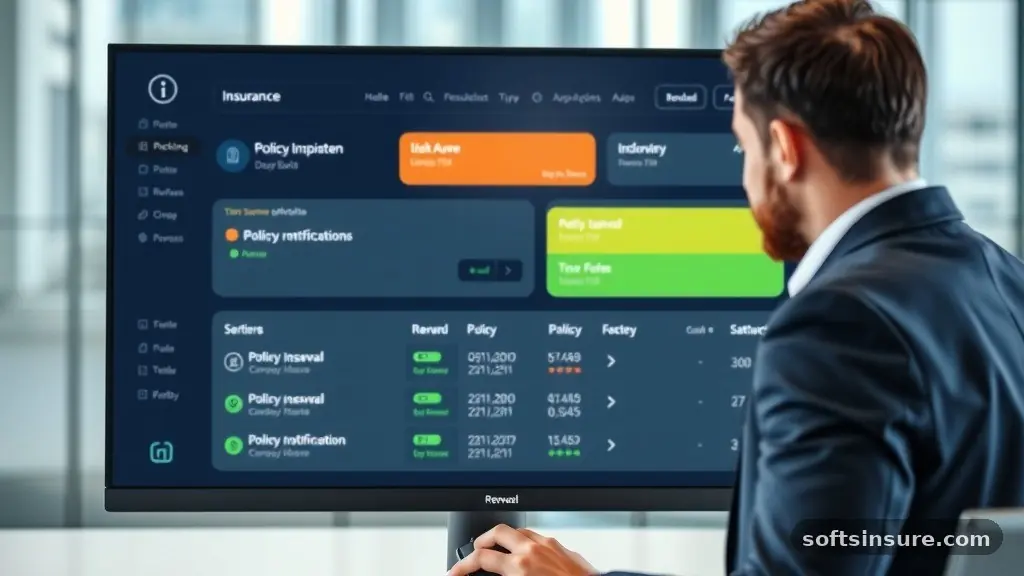
When a policy enters its renewal window, the software automatically triggers an alert for the assigned agent. This notification ensures that no account slips through the cracks, regardless of how busy the office is during peak seasons.
By setting these alerts 60 or 90 days out, you provide yourself with enough lead time to review the account for any necessary adjustments. This proactive approach turns a time-sensitive task into a manageable part of your daily workflow.
These systems also allow for tiered alert levels. You can configure the software to notify a junior assistant first, then escalate the task to a senior broker if the renewal remains untouched after a certain period.
This internal accountability structure keeps the entire team aligned. By removing the guesswork, your staff can focus on high-value advisory conversations rather than chasing down dates.
Streamlining Communication with Clients
Effective communication is the cornerstone of a successful renewal, yet it is often the most time-consuming part of the process. Insurance software changes this by providing templates that can be customized and deployed at scale.
Instead of drafting individual emails for every client, your team can use pre-approved messaging that highlights the benefits of renewing. These templates can be personalized with the client’s name, current coverage details, and any applicable premium adjustments.
Automated email sequences ensure that clients receive timely reminders without you having to hit “send” manually. You can schedule a sequence that starts with a friendly heads-up, followed by a detailed quote, and finally a call to action.
Because these messages are stored within the system, you have a complete audit trail of every interaction. If a client calls to ask why their premium changed, you can instantly pull up the exact email that explained the situation.
This level of transparency builds significant trust with your customers. When they see that you are organized and attentive, they are far more likely to stay with your agency long-term.
Furthermore, many modern platforms integrate with secure portals where clients can review their documents and sign off on renewals digitally. This removes the friction of physical mail and speeds up the entire lifecycle management of the policy.
Data Analysis and Risk Assessment
Beyond simple scheduling, how insurance software helps manage policy renewals involves deep data analysis. These systems aggregate information from your entire book of business to identify trends that might affect future renewals.
For instance, you can run reports to see which policy types have the highest attrition rates. If you notice that a specific type of homeowners’ insurance is seeing a 20% drop-off at renewal, you can investigate the cause before it impacts your bottom line.
Sophisticated software also allows for better risk assessment during the renewal period. By integrating with external databases, the system can automatically pull updated information regarding property values or vehicle details.
This ensures that the renewal quote is accurate and reflects the current market reality. Providing an accurate quote the first time prevents the need for back-and-forth negotiations that often delay the closing process.
You can also use this data to perform cross-selling or up-selling during the renewal window. If the system flags that a client has added a new driver to their household but hasn’t updated their umbrella policy, the agent is prompted to discuss this gap.
This transforms a routine renewal into an opportunity to provide comprehensive coverage. Data-driven insights ensure you are always offering the most relevant products to your existing client base.
Integrating Claims History into Renewals
A client’s claims history is a primary factor in renewal pricing, and managing this manually is notoriously difficult. Insurance software simplifies this by pulling claim data directly into the renewal file.
When an agent opens a client’s profile to prepare for a renewal, they can see a real-time summary of any incidents that occurred during the last policy term. This prevents the awkward situation of quoting a renewal without realizing the client has had multiple recent accidents.
Having this information at your fingertips allows for more honest and productive conversations. You can explain how specific claims have influenced the current premium, which helps manage client expectations early.
When clients understand the rationale behind their pricing, they feel more in control of their insurance decisions. This clarity is vital for maintaining loyalty, even when premiums increase due to past claims.
Furthermore, the software can highlight patterns that might suggest a client needs additional training or a change in coverage. If a small business client has had three minor liability claims in the past year, the renewal review becomes an opportunity to discuss risk mitigation strategies.
This consultative approach adds value beyond the policy itself. Your software essentially acts as a research assistant, allowing you to provide professional guidance that keeps your clients safe and your agency profitable.
Improving Operational Efficiency with Tables
To understand the tangible impact of these systems, it is helpful to look at how they compare to manual processes. The following table outlines the difference between traditional manual management and the use of modern insurance software for handling renewal cycles.
| Process Feature | Manual Management | Insurance Software |
|---|---|---|
| Renewal Tracking | Spreadsheets/Calendars | Automated Dashboards |
| Client Reminders | Manual Emails/Calls | Automated Sequences |
| Data Accuracy | High Risk of Error | Real-time Syncing |
| Reporting | Static/Time-consuming | Dynamic/Instant |
| Document Retrieval | Physical/Digital Folders | Cloud-based Search |
The efficiency gains shown in the table above demonstrate why agencies that switch to digital platforms often see a reduction in administrative overhead. By automating the mundane aspects of the renewal, staff members can reclaim hours each week.
This time is better spent on complex problem-solving or nurturing new client leads. The cost of the software is usually offset by the increase in staff productivity and the reduction in missed renewal opportunities.
Common Challenges and Implementation Tips
Adopting new management software is not without its hurdles. The most common challenge is data migration—moving years of client history from legacy systems into a new, modern platform.
This process requires careful planning and a commitment to data integrity. Before starting, perform a thorough audit of your existing records to remove duplicates and outdated information.
Another challenge is team adoption. Even the most powerful software will fail if your agents don’t use it consistently. Invest in comprehensive training sessions to ensure every staff member understands how the software makes their job easier.
Highlight specific features that remove their most annoying tasks, such as automated email follow-ups. When the team sees the direct benefit to their own workflow, they are much more likely to embrace the new system.
It is also important to choose a platform that scales with your agency. If you are a small team, look for software that offers flexible modules you can add as you grow.
For more information on industry standards and technological trends, the National Association of Insurance Commissioners provides resources that can help you understand the regulatory environment. Aligning your software choice with these standards ensures that your agency remains compliant while benefiting from modern innovation.
Managing Multiple Policy Types
Many agencies handle a mix of personal and commercial lines, which adds complexity to the renewal process. A personal auto policy might renew annually with minimal changes, while a commercial liability policy may require a full audit of the business’s operations.
How insurance software helps manage policy renewals is by allowing for custom workflows based on the policy type. You can set up a “light” workflow for simple renewals and a “heavy” workflow for complex commercial accounts.
The software ensures that the right steps are taken for each specific policy. For commercial renewals, the system can automatically send out a digital questionnaire to the business owner to update their payroll, revenue, or equipment list.
This automated data collection ensures that you have the latest information before you even reach out to the carrier for a quote. Without this feature, agents often have to chase down information at the last minute.
This categorization prevents the “one size fits all” approach that often leads to frustration. By tailoring the renewal path, you ensure that you are spending the right amount of time on each account.
High-value commercial clients receive the detailed attention they require, while personal lines clients benefit from a smooth, automated experience. This balance is critical for maintaining high service levels across your entire portfolio.
Key Benefits for Agency Growth
* Increased Retention Rates: Consistent, automated reminders ensure clients don’t accidentally let policies lapse.
* Scalability: Digital systems allow your team to manage a larger book of business without needing to hire more administrative staff.
* Improved Accuracy: Centralized data means fewer mistakes in coverage limits or premium calculations.
* Enhanced Reporting: Managers gain clear visibility into the agency’s performance and renewal success rates.
* Better Client Experience: Modern, digital interactions are more convenient for today’s policyholders.
These benefits demonstrate that the value of management software extends far beyond simple organization. By creating a more reliable, efficient, and data-backed renewal process, you are actively building a more resilient agency.
Clients appreciate the professionalism and convenience, which leads to higher retention and more referrals. In a competitive market, these operational advantages are often what set a successful agency apart from the rest.
Frequently Asked Questions
Can software integrate with my current carrier portals?
Most modern management platforms offer robust API integrations that allow them to communicate directly with major carrier systems. This integration can pull quote data and policy documents directly into your agency dashboard, significantly reducing manual data entry.
Does using automated software make the renewal process feel impersonal?
Not if you use it correctly. The goal is to use automation to handle the logistics, which frees up your time to have more meaningful, personalized conversations with your clients. You can still send a handwritten note or make a personal phone call for high-value renewals.
How do I know if my agency is ready for a new management system?
If you find that your team is spending more time searching for documents than advising clients, or if you have missed renewal dates due to administrative oversight, you are likely ready. A system that centralizes your data is the logical next step for any growing agency.
Will the software help me comply with industry regulations?
Yes, most reputable insurance management systems are built with compliance in mind. They maintain an audit trail of all communications and policy changes, which is invaluable during state audits or internal reviews.
Conclusion
Mastering how insurance software helps manage policy renewals is a transformative step for any agency. By automating the repetitive tasks of tracking, reminding, and data gathering, you free your team to focus on building strong relationships and providing expert advice. These tools not only reduce the risk of missed deadlines but also provide the analytical depth needed to grow your business strategically.
As you look to the future, consider the long-term benefits of a clean, digital, and automated renewal process. Start by evaluating your current pain points and researching platforms that align with your specific agency needs.
With the right technology in place, you can ensure that your renewal cycles are consistent, professional, and profitable for years to come. Start your transition today and see how much more time you have for your clients.